

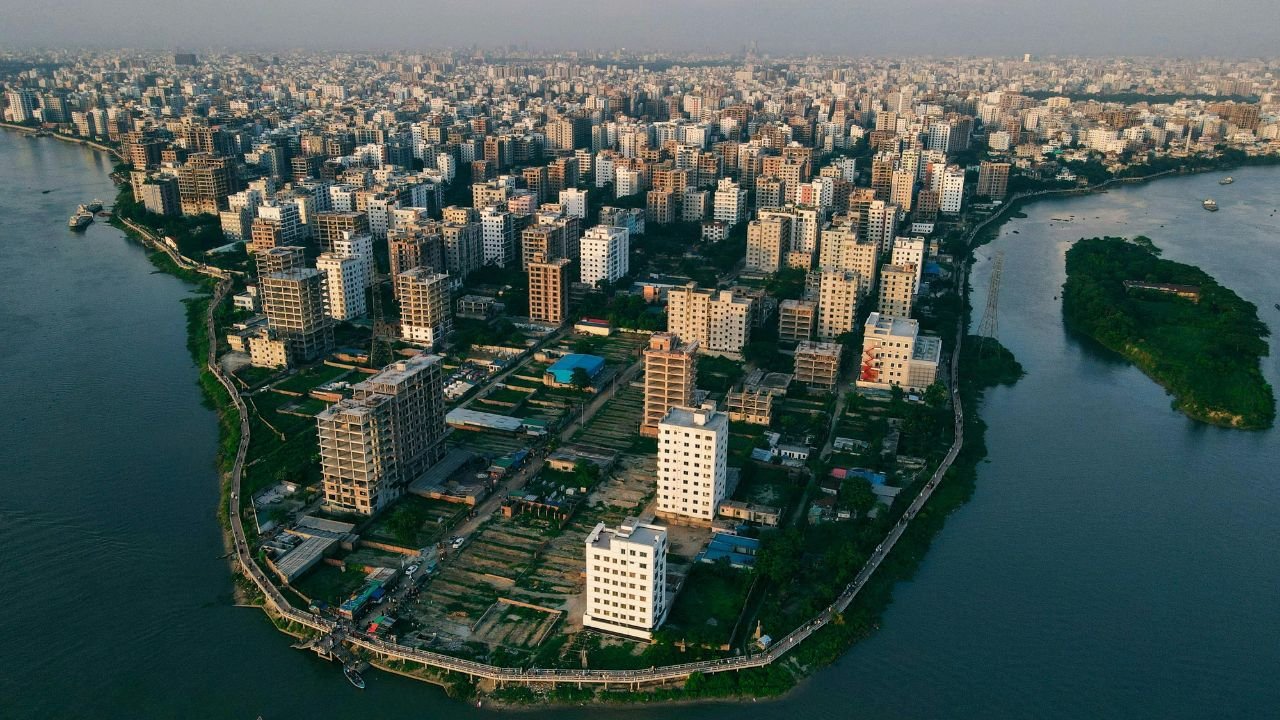
The question how many people live in Dhaka is no longer just a matter of curiosity—it is a key issue in global urban studies, development planning, and climate policy. Dhaka, the capital of Bangladesh, has grown at an extraordinary pace and is now one of the most populated cities on Earth.
Rapid urbanization, economic centralization, and rural migration have transformed Dhaka from a mid-sized city into a massive metropolitan region within a few decades.
Current Population of Dhaka (2026)
According to the World Urbanization Prospects December 2025: Summary of Results, published by the United Nations Department of Economic and Social Affairs (UN DESA), almost 40 million people live in Dhaka as of 2025.
This figure refers to the entire urban agglomeration, not just the core city area, which includes surrounding municipalities and continuously built-up zones.
Key population facts:
Estimated population in 2025: Nearly 40 million
Global ranking: 2nd most populous city
Classification: Megacity (10+ million population)
Region: South Asia
So, if you are asking how many people live in Dhaka, the most accurate answer today is close to 40 million residents.
How Dhaka Became One of the World’s Largest Cities
Dhaka’s rise as one of the world’s largest cities did not happen suddenly. It is the result of decades of demographic change, economic concentration, and rapid urbanization. Like many cities in Asia, Dhaka grew alongside global shifts in population movement from rural areas to urban centers.
In 1950, only 20% of the world’s population lived in cities. Since then, urban living has expanded dramatically. Today, cities accommodate nearly half of the global population, and Dhaka reflects this transformation more intensely than most cities due to its role as Bangladesh’s political, economic, and administrative hub.
Several long-term factors contributed to Dhaka’s explosive population growth:
Continuous migration from rural districts as people moved to the capital seeking employment and better living standards
Rapid expansion of the garment and manufacturing sectors, which created millions of urban jobs
Concentration of education, healthcare, and government institutions in the capital city
Limited development of secondary cities in Bangladesh, forcing migration toward Dhaka
As economic and social opportunities increased in the capital, people followed in large numbers, resulting in sustained population pressure over many decades.
Dhaka’s Global Position Among Megacities
The global number of megacities—urban areas with more than 10 million inhabitants—has increased rapidly over the last half century. This growth highlights how urban populations are becoming increasingly concentrated in a small number of very large cities.
Key global megacity trends include:
1975: Only 8 megacities worldwide
2025: 33 megacities globally
More than half of these megacities are located in Asia
Within this group of global urban giants:
Jakarta ranks first with nearly 42 million people
Dhaka ranks second with almost 40 million residents
Tokyo follows with approximately 33 million people
Dhaka’s position is particularly notable because it achieved this ranking with a very limited land area, making it one of the most densely populated major cities in the world.
Population Density and Living Pressure in Dhaka
Knowing how many people live in Dhaka is important, but understanding how those people live provides deeper insight into the city’s challenges.
Dhaka faces intense pressure on its urban systems due to its high population density, including:
Extremely high population concentration per square kilometer
Severe housing shortages, especially for low- and middle-income residents
Traffic congestion and overloaded transportation networks
Heavy pressure on water supply, sanitation, and waste management systems
In many parts of the city, millions of residents live in tightly packed neighborhoods, informal settlements, and mixed residential-commercial zones, where infrastructure struggles to keep pace with demand.
Dhaka and the Bigger Urbanization Picture
Dhaka’s growth is part of a broader global trend of accelerating urbanization. Cities are now absorbing the majority of population growth worldwide.
Key global urbanization facts include:
Cities currently house 45% of the world’s population
By 2050, around two-thirds of global population growth will occur in urban areas
Asia and Africa will account for most new urban population growth
Dhaka stands as a clear example of this pattern, demonstrating both the economic benefits of urban concentration and the structural challenges that come with rapid and unplanned expansion.
Why Small Cities Matter—Despite Dhaka’s Size
Although Dhaka dominates attention due to its massive population, global settlement data shows that most people do not live in megacities.
Globally:
96% of cities have fewer than 1 million inhabitants
81% of cities have populations below 250,000
Small and medium-sized cities are often growing faster than megacities
However, Bangladesh’s centralized development structure has resulted in Dhaka absorbing a disproportionate share of national population growth, while smaller cities develop more slowly.
Why the Question “How Many People Live in Dhaka” Matters
Understanding how many people live in Dhaka is essential for effective decision-making across a wide range of sectors. Dhaka’s enormous and continuously growing population directly influences how the city is planned, managed, and prepared for the future. Without accurate population data, policies and development strategies risk being inefficient or unsustainable.
Reliable population figures play a critical role in shaping key areas of urban governance and development, including:
Urban infrastructure planning and development, such as roads, housing, public transport, electricity, and water supply, ensuring these systems can meet current and future demand
Climate resilience and disaster preparedness, particularly for flooding, heatwaves, and extreme weather events that heavily impact densely populated cities like Dhaka
Public health and sanitation policy, including hospital capacity, disease control, clean water access, and waste management systems
Economic, housing, and social policy formulation, helping governments address employment, affordable housing, education, and social equity
Accurate population data enables governments, researchers, and urban planners to anticipate challenges, allocate resources efficiently, and design long-term strategies that promote sustainable growth. In a city as large and complex as Dhaka, understanding population size is fundamental to building a livable, resilient, and well-planned urban environment.
Leave a Reply