
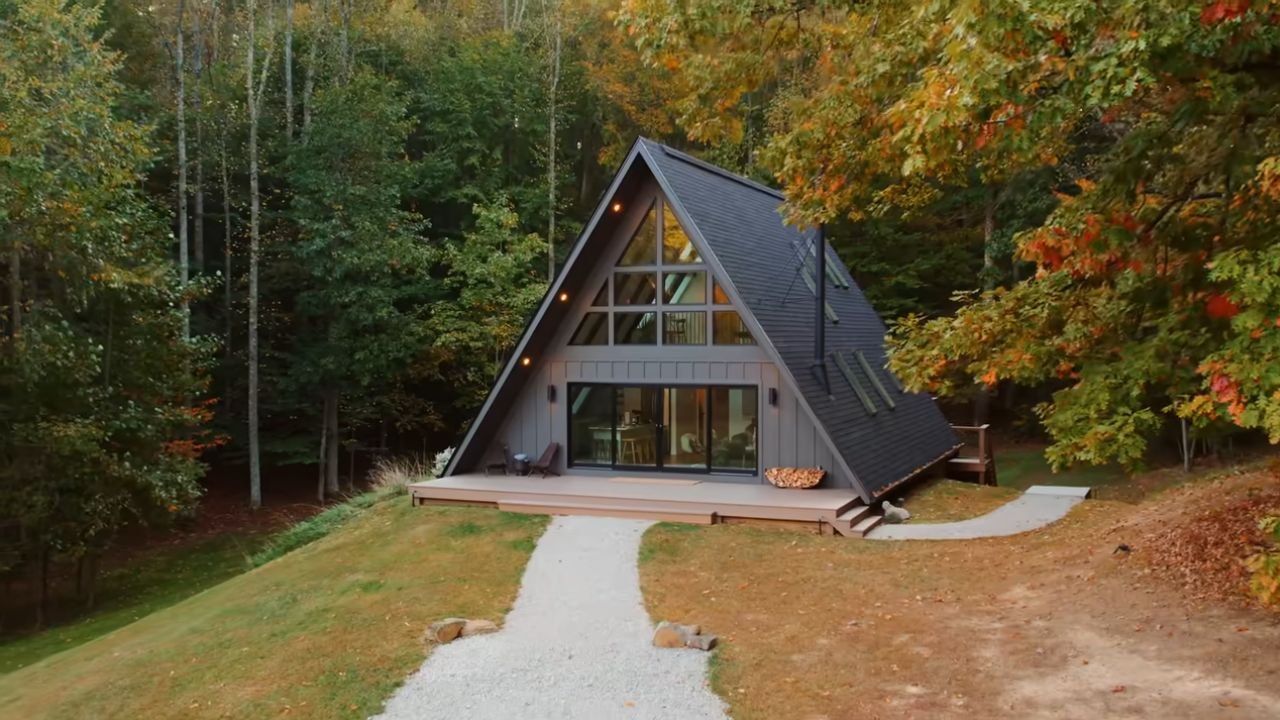
Dreaming of designing your own home from scratch? It’s an exciting journey, but the first and most intimidating question you’ll face is, how much does a frame house cost to build? You’ve likely heard everything from “it’s cheaper than you think” to “prepare for a financial nightmare.” The truth, as always, lies somewhere in the middle. In this guide, I’ll break down the real costs of a wood-frame home in 2026, explaining exactly where every dollar goes without any confusing industry jargon.
The Bottom Line: What You’ll Really Pay
Let’s start with the numbers. In 2026, building a traditional stick-built home (the industry’s term for a standard wood-frame house) typically costs between $150 and $300+ per square foot. That’s a broad range because so many variables come into play, from the cost of lumber to the complexity of your design.
To put it in real-world terms, building a typical 2,000-square-foot single-family home in 2026 will likely run you somewhere between $300,000 and $600,000, not including the price of the land itself. If you’re dreaming of a luxury home with custom architectural details and high-end finishes, your costs can easily climb north of $1 million.
Breaking Down the Total Cost of a Frame House
When you ask, “what does a frame house cost to build?”, the framing itself is just one piece of a much larger financial puzzle. Think of the frame as your home’s skeleton. Here’s what the rest of the body costs, based on national averages for a typical custom home:
- Framing: 18–20% of the total budget. This is the largest single material expense and forms the skeleton of your house.
- Interior Finishes: 25–30%. Cabinetry, countertops, flooring, and paint – this is where you can save money or blow your budget.
- Major Systems: 13–15%. This covers your home’s HVAC, electrical wiring, and plumbing.
- Exterior Finishes: 10–15%. Think siding, roofing, and windows.
- Foundation: 10–12%. The concrete slab, crawl space, or basement your house sits on.
- Site Work & Permits: 10–15%. This includes land excavation, permits, and design fees.
The Key Factors That Drive Your Final Price
Why can the cost to build a similar-sized home vary so drastically from one project to another? A handful of major factors are usually responsible for the swings.
1. Your Location Is Everything
Where you build has a massive impact on your bottom line. Building in the South is generally the most affordable, with construction costs averaging around $100 per square foot. In the Northeast, you could pay $155 per square foot for the exact same house. This is because land prices, local labor rates, and permit fees vary wildly by region. For example, Mississippi is often cited as the cheapest state to build in, while Hawaii is the most expensive.
2. Material Choices and Market Swings
The price of lumber is famously volatile. In late 2025, framing lumber prices were up roughly 12.7% year-over-year. These market swings can add thousands to your bill. However, you have some control. For the framing itself:
- Wood framing is the standard and averages $9 to $14 per square foot for materials and basic hardware.
- Steel framing is a durable alternative, but it costs more upfront at $12 to $18 per square foot.
3. The Complexity of Your Design
A simple, rectangular floor plan is significantly cheaper to build than a sprawling, multi-level design with vaulted ceilings, dormers, and custom curves. Complex rooflines and open floor plans require more materials and highly skilled labor, which drives up both your framing and overall costs.
4. Labor: The Hidden Driver
Skilled labor is in high demand and short supply, which means higher wages for carpenters, electricians, and plumbers. Industry estimates suggest that labor alone can account for as much as 50% of your total construction budget.
Frame House vs. Other Building Methods: A Quick Comparison
Is a traditional stick-built home your most affordable option? Not always. While it remains the most popular choice, it’s worth seeing how it stacks up against other methods. All costs are per square foot, completed and installed, and do not include land.
- Traditional Stick-Built (Wood Frame): $150 – $400 per sq. ft. The standard approach with all work done on-site. Offers maximum design flexibility.
- Modular Homes: $80 – $160 per sq. ft. Built in a factory in sections and assembled on your foundation. Can be 10-25% cheaper than stick-built.
- Barndominiums (Metal Frame): $60 – $160 per sq. ft. A steel-framed building finished like a home. Often cheaper for the basic shell.
Smart Strategies to Manage Your Budget
Feeling overwhelmed? Don’t be. Keeping a frame house cost to build within your budget is all about smart planning.
- Plan Ahead and Be Detailed: The single most valuable thing you can do is ensure your plans are fully accurate and your specifications are crystal clear before any work begins. This prevents costly changes and surprises down the road.
- Get Multiple Quotes: Don’t settle for the first contractor you talk to. Get itemized bids from at least three different builders to compare pricing on both labor and materials.
- Save on Finishes, Not the Structure: It’s tempting to cut costs on things you can’t see, but you should invest in the structural integrity of your home. You can save money by choosing more affordable flooring or countertops and upgrading them in a few years. Fixing a poorly built frame, however, is a nightmare.
- Keep It Simple: Opt for a simple, rectangular floor plan with a standard gable roof. This straightforward design is the most cost-effective to frame and build.
Is Building a Frame House Right for You?
So, what does a frame house cost to build in the end? It’s a significant investment that requires careful planning and a realistic budget. But with the information above, you now have a solid roadmap. While you can expect to spend between $150 and $300 per square foot, remember that this price gives you the unique freedom to create a home that’s truly yours, from the ground up.
The key is to plan thoroughly, prioritize what matters most, and work with trusted professionals. Your dream home is absolutely achievable; you just need to start with a solid financial plan.