
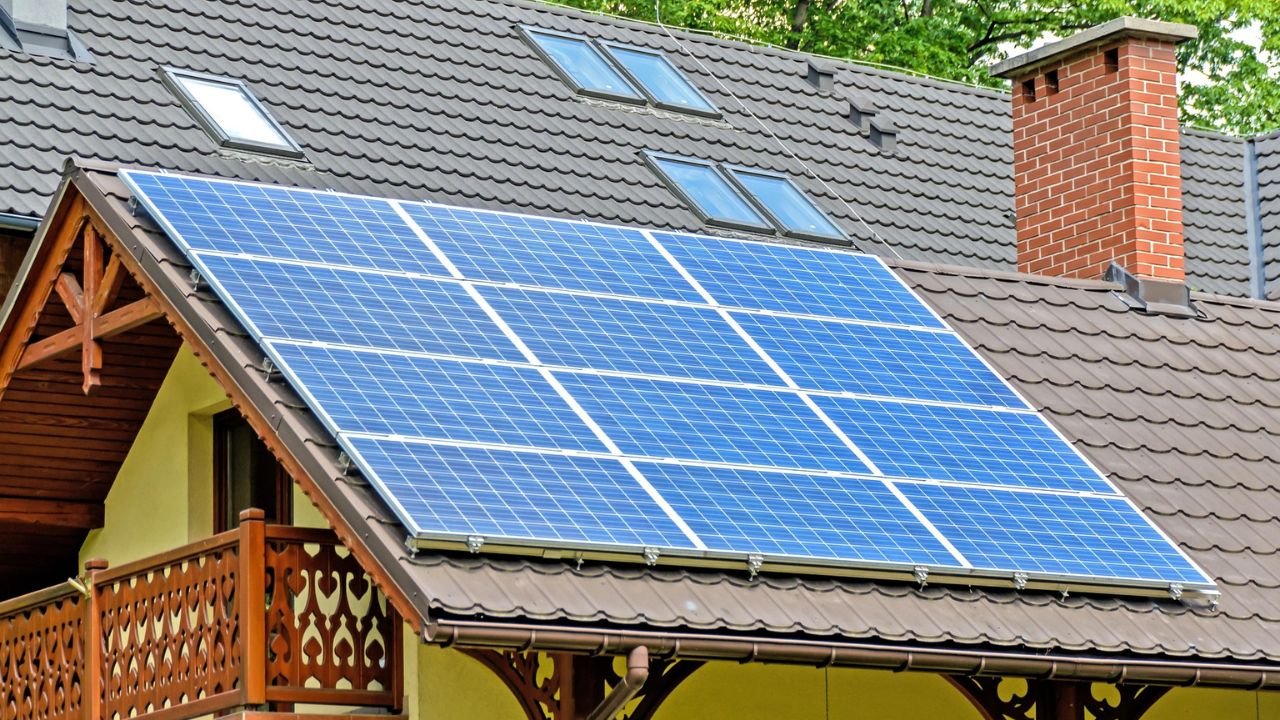
The push for renewable energy has led countless homeowners to install solar panels, drawn by the promise of lower utility bills and a smaller carbon footprint. But amid the excitement of going green, a critical question often gets overlooked: can a solar company put a lien on your house? The answer is not a simple yes or no—it depends entirely on the type of contract you sign and how the installation is financed. Many homeowners are shocked to discover a lien on their property only when they attempt to sell or refinance, having been unaware of the legal fine print in their solar agreement.
In this guide, we’ll break down exactly how these claims work, the difference between a UCC lien and a mechanic’s lien, and what you can do to protect your home before signing on the dotted line.
What Exactly Is a Solar Lien?
A solar lien is a legal claim against a property established by a lender or solar company to secure repayment of a loan or service provided. In the context of solar energy, it is specifically tied to the financing of solar panels and related equipment installed on a home. Think of it as a security measure—if you stop making payments, the company that installed or financed your system has a legal right to seek compensation, often by claiming ownership of the equipment or, in worst‑case scenarios, the property itself.
The key distinction lies in what the lien attaches to. Some liens apply only to the solar panels (treating them as personal property), while others can attach directly to your home, much like a mortgage.
How a UCC Lien Works in Solar Financing
When homeowners ask, “can a solar company put a lien on your house?”, the most common scenario involves a UCC‑1 Financing Statement. This is not a traditional real estate lien like a mortgage or tax lien. Instead, it is a filing under the Uniform Commercial Code (UCC) that gives the lender a security interest in the solar panels and associated equipment as personal property.
Here’s how the process typically unfolds:
You sign a financing contract for solar panels, often with little upfront cost.
The solar lender or leasing company files a UCC‑1 statement with your state’s Secretary of State office or the county recorder.
The filing becomes part of the public record, and the lender retains a claim on the solar system until the loan is fully paid.
Crucially, a UCC lien can be filed without your signature. Unlike a mortgage, which requires your explicit consent, a UCC‑1 is filed unilaterally by the company. Many consumers are entirely unaware that such a filing has taken place until it appears on a title search.
Does a UCC Lien Affect the House Itself?
In most states, a standard UCC lien is considered a claim against personal property—the solar panels—rather than the real estate itself. That means the lender cannot foreclose on your home if you default. They can, however, repossess the panels. But repossession is rarely practical: removing and reinstalling solar equipment is expensive and labor‑intensive, and used panels have poor resale value.
Nevertheless, a UCC lien can still create significant problems when you try to sell or refinance your home. Title companies and mortgage lenders typically require the lien to be cleared or subordinated before they will approve a transaction. Some buyers may walk away altogether once they discover an outstanding solar lien. In fact, studies suggest that 30–50% of potential buyers avoid properties with unresolved solar encumbrances.
The More Serious Threat: Mechanic’s Liens
There is a second type of lien that homeowners should be even more concerned about: the mechanic’s lien. If a solar contractor performs installation work and you fail to pay for that work, the contractor can file a mechanic’s lien against your home. Unlike a UCC lien, a mechanic’s lien attaches directly to the real property itself—the house and the land it sits on.
This distinction is critical. A mechanic’s lien gives the contractor the right to pursue foreclosure on your home if the debt remains unpaid. In essence, it operates much like a mortgage default. The contractor must be properly licensed and must follow strict state deadlines—typically filing within a set number of days after the work is completed. But if those conditions are met, the consequences can be severe.
Fortunately, mechanic’s liens in solar are less common than UCC filings, because most financing arrangements involve a lender paying the contractor upfront. When that happens, the lender files a UCC lien, and the contractor has no need to file a mechanic’s lien. Still, it is a risk you cannot ignore, especially if you work with a small or unlicensed installer.
How to Check for Existing Liens on Your Property
If you already have solar panels or are considering a purchase, it is wise to verify whether any liens have been filed against your home. Here is a straightforward process:
Run a Title Search. Contact a local title company or search your county recorder’s office records online. A title search will reveal any recorded liens, including UCC‑1 fixture filings and mechanic’s liens.
Request a UCC Search. Some UCC filings are recorded at the state level with the Secretary of State, not just at the county. Ask for a separate UCC search to catch all filings.
Review Your Solar Contract. Look for any language that grants the company the right to file a financing statement or security interest. If you see terms like “UCC‑1,” “fixture filing,” or “security agreement,” a lien is almost certain.
Can You Avoid a Solar Lien Altogether?
Yes. The most direct way to avoid any lien is to purchase the solar system outright with cash. When you own the equipment free and clear, no lender has a security interest, and no contractor can claim non‑payment for the installation. However, for many homeowners, a cash purchase is not feasible given that a typical residential solar installation costs between $18,000 and $30,000.
If you must finance, consider these alternatives:
Home Equity Loan or HELOC. Using a traditional home equity product to pay for solar panels creates a mortgage‑type lien, but it is one you already understand and manage. The solar company itself does not file a separate lien.
Personal Loan. An unsecured personal loan does not place any lien on your property or the solar equipment. However, interest rates are typically higher.
Lease or Power Purchase Agreement (PPA). Even with a lease or PPA, a UCC‑1 lien is still often filed. But the lien attaches only to the panels, and the solar company retains ownership. Be sure to read the transfer terms carefully if you might sell your home.
Request a Lien Waiver. Before signing any contract, ask the solar company to agree in writing that they will not file a UCC‑1 or any other lien against your property. Some lenders may accommodate this request, but most will not because it removes their primary security.
What to Look for in Your Solar Contract
Before you commit, examine your contract for these key provisions:
Security Interest Clause. Does the contract state that the lender retains a security interest in the equipment? That is the trigger for a UCC filing.
Fixture Filing Language. Some contracts explicitly allow the company to file a “fixture filing” in the county land records. That type of UCC‑1 appears directly on your property’s title and is harder to ignore.
Transferability. If you plan to sell your home before the loan is paid off, can the contract be transferred to the buyer? Many contracts require the buyer to qualify for the lease or loan, which can derail a sale.
Payoff and Release Terms. How is the lien removed once the loan is satisfied? The contract should clearly state that the lender will file a UCC‑3 termination statement within a specific timeframe after final payment.
So, can a solar company put a lien on your house? The answer is nuanced. Under most financing arrangements, they can file a UCC‑1 lien against the solar equipment, which may not directly threaten your home but can certainly complicate a future sale or refinance. In the less common but more dangerous scenario of a mechanic’s lien, your home itself is at risk.
The best defense is awareness. Read every page of your solar contract. Ask the company directly whether they intend to file any lien and, if so, on what basis. Consult a real estate attorney before signing—especially for agreements that span 20 years or more. And if you ever feel pressured to sign without understanding the lien terms, step back. A few extra days of due diligence can save you years of title headaches.
Going solar is a smart investment for both your wallet and the environment. Just make sure that investment does not come with an unwelcome legal surprise attached to your deed.